Iteration 5 - Emma Nolan - Brainstorm

HRV
As I have mention before in a previous post HRV is the refers to the variation in the time interval between consecutive heartbeats, reflecting the autonomic nervous system's regulation of heart rate. It's an indicator of the body's ability to adapt to stressors, with higher HRV generally associated with better health and resilience. Our plan form the very start was to somehow display this HRV in a fun interactive way.
However, first we how to come up in what situation we wanted to track HRV. We range from wanted to track a person HRV when driving so we can detect signs of stress or fatigue and prompt the driver to take a break, ensuring they stay alert and focused behind the wheel. As a few of us are are in the automotive and automation stream. We also noted that HRV also decreased with alcohol consumption. So we thought we could track this as well. Ultimately we decided to scrap this idea as we didn't know how to safely test this idea.

In the end, we opted for a more generalized user case, making it simpler to test and implement. Our focus shifted towards creating a user-friendly HRV biofeedback display. We aimed to design a visually intuitive interface that translates HRV data into easily understandable feedback for users. This involved considering elements such as color-coded indicators, simple graphics, and clear instructions to guide users in interpreting their HRV patterns and making informed adjustments to improve their well-being.
Our primary goal was to incorporate a breathing pacer into the application alongside the HRV display. This feature would enable users to synchronize their breathing with the pacer, particularly when their HRV is high. By doing so, the application could assist users in regulating their HRV, helping them transition from a fight-or-flight response to a relaxed state. The integration of the breathing pacer enhances the application's functionality. This will allow the user to have hopefully a stress free environment.
Ultimately, we settled on two ideas, one of which involved using a wave bottle to visually represent HRV. We hope to explain to the users that, akin to the waves in the bottle, HRV reflects the variability in the intervals between heartbeats. The higher the HRV, the more turbulent the waves in the bottle appear, mimicking stormy weather. Importantly, the movement of the waves is not controlled by the user but by their HRV. To make the biofeedback session interactive, we will instruct the users to focus on their breathing and observe how it influences the movement of the waves. As they practiced deep inhalations and slow exhalations, we hope that they will observe how the waves changed in response to their breathing pattern, fostering a deeper understanding of the connection between breathing, HRV, and relaxation. We then also hope to also implement IFTTT we this idea so that HRV could be visually seen on a spreadsheet which could possible be accessed by the user doctor.
.jpg)
Essentially, we'll measure the HRV and transmit the data via an MQTT server to another microbit, which will control the wave machine according to the HRV reading. The wave machine's behavior will be directly influenced by the real-time HRV data, creating a dynamic and interactive biofeedback experience for the user.
Another idea we settled on involves using a teddy bear to simulate the breathing pace, heartbeat, and HRV of the user wearing the wearable device used to measure HRV. This concept stemmed from the desire to provide mothers with a way to emotionally connect with their child by displaying the baby's HRV. The teddy bear serves as a surrogate, allowing mothers to feel a connection with their child even when they're apart. It offers a comforting presence and a tangible representation of the baby's well-being, fostering emotional connection and reassurance for the mother, regardless of physical distance.
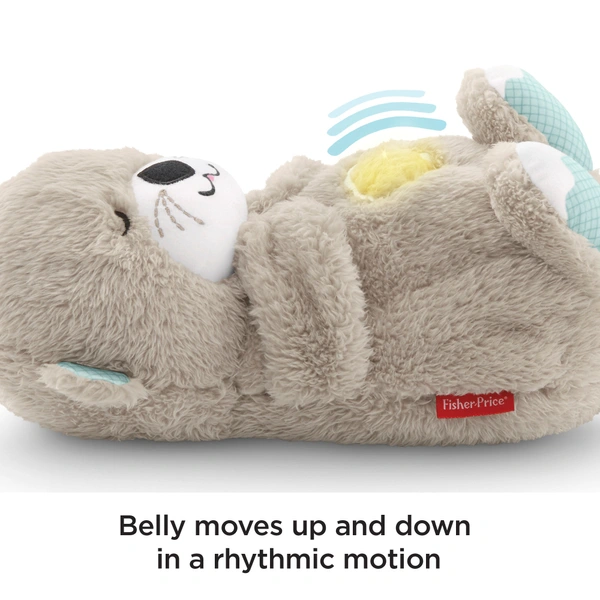
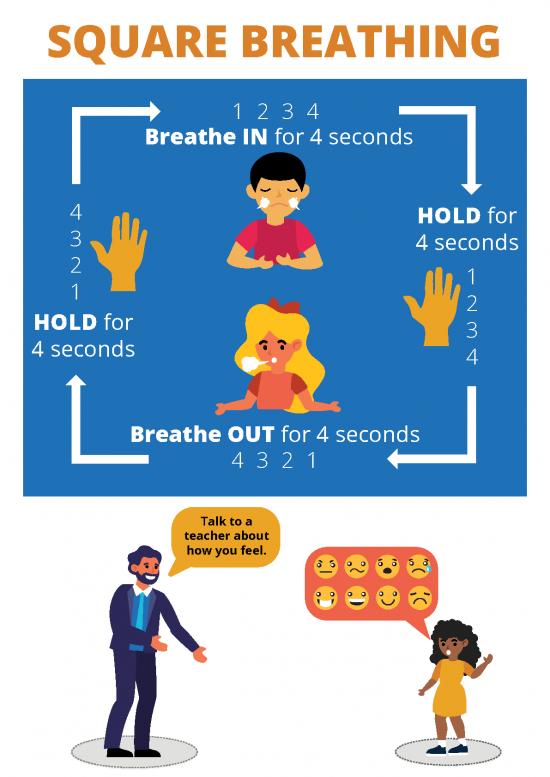
We discovered the teddy bear above in the image, which features a DC motor capable of moving its stomach up and down. This unique feature enables us to simulate HRV and breathing in a more realistic manner, enhancing the user experience. Additionally, we can integrate a breathing pacer functionality, such as square breathing, into the teddy bear. This not only provides a realistic representation of breathing but also offers users a guided breathing exercise to help regulate their HRV and promote relaxation. Furthermore, we aim to integrate calming music into the teddy bear's functionality, leveraging its built-in speaker.


Comments
Post a Comment